



Transform Your Health with Evidence-Based Insights
When it comes to improving your health, understanding Nutrition Science is absolutely essential. It’s not just about eating foods that are labeled “healthy”—many people follow popular diet trends but still feel fatigued, struggle to maintain a healthy weight, or experience digestive discomfort. The reason often lies in a lack of understanding of Nutrition Science, which explains how the body processes different nutrients, how they interact with metabolism, and how they influence long-term health outcomes.
In this article, we will explore practical ways to apply Nutrition Science principles in your daily life. You’ll learn not only what to eat, but also why it works, based on research-backed evidence and real-world applications. These insights include understanding macronutrients, micronutrients, meal timing, and lifestyle strategies that can stabilize energy levels, support immunity, and promote metabolic health.
Even if you are in Abuja, New York, Tokyo, or anywhere in the world, the principles of Nutrition Science are universal. Scientific studies consistently show that small, strategic adjustments to diet and habits grounded in Nutrition Science—can have measurable impacts on blood sugar regulation, cardiovascular health, and weight management.
By following the strategies outlined here, you can harness the power of Nutrition Science to create a personalized plan that fits your lifestyle. From practical meal planning to mindful eating and habit tracking, these actionable tips are designed to translate complex scientific concepts into steps you can implement every day. Understanding Nutrition Science empowers you to make informed choices rather than relying on guesswork or fleeting diet trends.
Let’s dive in and explore how a deeper understanding of Nutrition Science can transform your health, boost energy, and guide you toward lasting wellness, one scientifically-informed habit at a time.
How Metabolism Works Scientifically
One of the most common questions is: Why do some people burn calories faster than others? Understanding how metabolism works scientifically helps you make smarter food and lifestyle choices.
Key Points About Metabolism:
- Basal Metabolic Rate (BMR): The number of calories your body burns at rest.
- Thermic Effect of Food (TEF): Digestion itself uses energy.
- Physical Activity: Exercise increases calorie burn.
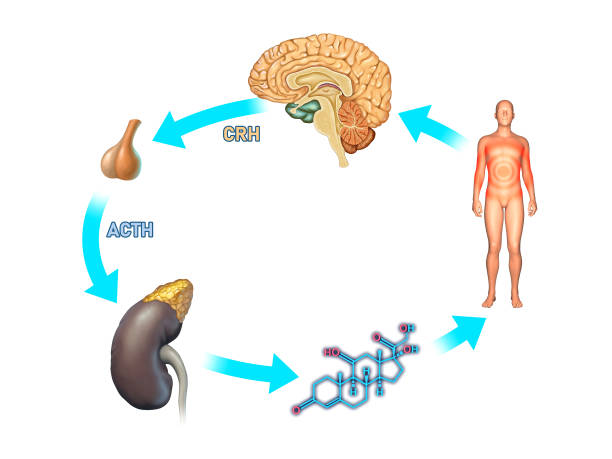
- Hormones: Insulin, thyroid hormones, and cortisol influence metabolism.
Practical Tip: Include protein in every meal. It boosts metabolism through the thermic effect and helps preserve lean muscle.
Macronutrients Explained Simply: A Nutrition Science Perspective
Macronutrients are the building blocks of your diet: carbohydrates, proteins, and fats. Here’s a simple breakdown:
1. Carbohydrates: The Body’s Primary Energy Source
Carbohydrates are often misunderstood, with many thinking they are inherently “bad.” However, Nutrition Science tells us that carbohydrates are the body’s preferred energy source, especially for the brain and muscles. Complex carbohydrates such as whole grains, legumes, fruits, and vegetables provide fiber, which supports digestion and stabilizes blood sugar levels.
- Simple carbohydrates: Found in sugar and refined grains, these are rapidly absorbed and can spike blood sugar if consumed excessively.
- Complex carbohydrates: Found in oats, quinoa, sweet potatoes, and beans, these provide sustained energy and essential nutrients.
In Nutrition Science, the quality and timing of carbohydrate intake matter as much as quantity. Eating high-fiber carbohydrates in combination with protein and healthy fats can improve satiety, control cravings, and optimize metabolic health.
2. Proteins: Building Blocks for Body Function
Proteins are critical for muscle repair, immune support, hormone production, and enzyme function. According to Nutrition Science, protein is composed of amino acids, some of which are essential and must be obtained from the diet.
- Complete proteins: Contain all essential amino acids (e.g., eggs, fish, poultry, soy).
- Incomplete proteins: Found in most plant-based foods, these can be combined to form complete profiles (e.g., rice and beans).
Research in Nutrition Science shows that adequate protein intake in the morning can help stabilize blood sugar levels, reduce overeating later in the day, and maintain lean body mass. For people seeking metabolic health, protein timing and portion control are critical components of a structured nutrition plan.
3. Fats: Vital for Metabolic Health
Fats are often vilified, yet Nutrition Science confirms that healthy fats are essential for energy, brain function, hormone balance, and absorption of fat-soluble vitamins (A, D, E, and K).
- Unsaturated fats: Found in olive oil, nuts, seeds, and fatty fish; these support heart health and insulin sensitivity.
- Saturated fats: Found in butter and red meat; moderate intake is acceptable, but excessive consumption can impact cholesterol and cardiovascular health.
- Trans fats: Artificially produced fats found in processed foods; these should be avoided entirely.
In Nutrition Science, understanding the type and source of fat is as important as quantity. Incorporating healthy fats into meals helps slow digestion, maintain stable blood sugar, and enhance satiety—crucial for those aiming to stabilize insulin and manage weight.
4. Balancing Macronutrients for Optimal Health
A core principle of Nutrition Science is balance. Each macronutrient contributes to energy metabolism, yet the proportion depends on individual needs, lifestyle, and health goals. For example:
- Standard balanced diet: 45–55% carbohydrates, 20–30% fats, 15–25% protein.
- Low-carb, higher-fat approach: Often used for metabolic health or blood sugar management.
- Higher-protein diets: Recommended for weight loss, muscle maintenance, and recovery.
Nutrition Science emphasizes that there is no one-size-fits-all ratio; personalizing macronutrient intake according to activity level, metabolic health, and medical conditions is essential for long-term success.
Practical Tips Backed by Nutrition Science
- Distribute macronutrients evenly throughout the day: Helps regulate blood sugar and maintain consistent energy.
- Pair carbohydrates with protein or healthy fats: Reduces post-meal glucose spikes.
- Prioritize whole, minimally processed foods: Maximizes nutrient density, supports gut health, and improves metabolic outcomes.
- Track macronutrient intake when starting a new routine: Many apps now allow you to monitor carbs, proteins, and fats easily, reinforcing evidence-based choices rooted in Nutrition Science.
Practical Tip: Balance is key. Aim for a plate that’s roughly 50% carbs, 25% protein, 25% healthy fats.
Micronutrients and Their Functions
Micronutrients — which include vitamins and minerals — are essential for your body’s proper function, even though they’re needed in much smaller amounts than macronutrients like protein, carbs, or fats. Despite being required in tiny quantities, deficiencies in micronutrients can lead to fatigue, weakened immunity, poor bone health, and other chronic health problems.
Understanding Nutrition Science helps explain why these small nutrients play such a big role in maintaining energy, supporting growth, and protecting your health.
Key Micronutrients and Their Functions
1. Vitamin D
- Function: Vital for calcium absorption, bone density, and immune system support.
- Sources: Sunlight exposure, fatty fish (salmon, mackerel), fortified dairy, and egg yolks.
- Research Insight: Studies show adequate vitamin D reduces the risk of fractures and may improve immune response. (Source: NIH Office of Dietary Supplements)
Tip: If you live in areas with limited sunlight (like northern regions or during winter months), consider getting your vitamin D levels checked.
2. Iron
- Function: Essential for producing hemoglobin in red blood cells, which carries oxygen throughout your body.
- Sources: Red meat, poultry, lentils, beans, spinach, and fortified cereals.
- Research Insight: Iron deficiency is one of the most common nutrient deficiencies worldwide, leading to anemia, fatigue, and impaired cognitive function. (Source: World Health Organization – Iron Deficiency)
Tip: Pair plant-based iron sources with vitamin C-rich foods (like citrus fruits) to improve absorption.
3. Calcium
- Function: Maintains strong bones and teeth, supports muscle function, and is essential for nerve signaling.
- Sources: Dairy products, leafy greens, almonds, tofu, and fortified plant milks.
- Research Insight: Adequate calcium intake, especially during youth and middle age, is strongly associated with a lower risk of osteoporosis later in life. (Source: Harvard T.H. Chan School of Public Health – Calcium)
Tip: Pair calcium with vitamin D to enhance absorption.
4. Magnesium
- Function: Involved in over 300 biochemical reactions, including muscle contraction, nerve function, energy production, and blood sugar regulation.
- Sources: Nuts, seeds, whole grains, dark chocolate, and leafy vegetables.
- Research Insight: Magnesium deficiency has been linked to increased risk of metabolic syndrome, hypertension, and migraines. (Source: NIH Office of Dietary Supplements – Magnesium)
Tip: Including magnesium-rich foods in your diet can support better sleep and reduce muscle cramps.
5. Vitamin C & Zinc
- Vitamin C Function: Supports collagen synthesis (for skin and joint health), enhances iron absorption, and boosts immune function.
- Sources: Citrus fruits, bell peppers, broccoli, strawberries.
- Zinc Function: Essential for immune response, wound healing, DNA synthesis, and growth.
- Sources: Meat, seafood (especially oysters), legumes, seeds, and nuts.
- Research Insight: Both vitamin C and zinc play critical roles in reducing the severity and duration of infections. (Sources: NIH Vitamin C, NIH Zinc)
Tip: A diet rich in fruits, vegetables, and lean protein usually supplies adequate vitamin C and zinc.
Practical Advice for General Health Seekers
- Eat a Rainbow: Different colors in fruits and vegetables indicate different micronutrients.
- Include Variety: No single food provides all micronutrients — diversity is key.
- Monitor Intake: If you follow a restrictive diet (vegan, vegetarian, keto), consider consulting a healthcare professional to ensure adequate micronutrient intake.
- Leverage Research: Understanding the role of micronutrients through Nutrition Science can help you make evidence-based dietary choices.
Practical Tip: Eat a variety of colorful fruits and vegetables to cover most micronutrient needs.
What Science Really Shows About Food and Health
When you hear people talk about “evidence‑based nutrition,” what they mean is this: decades of peer‑reviewed research that shows certain foods, eating patterns, and nutrients influence health outcomes in real ways.
This section isn’t about hype — it’s about real scientific studies you can trust. You’ll learn what well‑conducted research says about nutrition and how it applies to your life.
Why Nutrition Research Matters
Most of us have eaten foods because someone said they’re healthy — without ever seeing the science behind the claim. Nutrition research matters because:
- It separates facts from fads
- It helps you make decisions that improve long‑term health
- It shows what happens inside your body when you eat specific foods or follow certain patterns
Research doesn’t prove everything definitively — but when many studies point in the same direction, it forms a reliable foundation.
1. Plant‑Rich Diets and Chronic Disease Prevention
One of the most consistent findings in modern nutrition research is that diets rich in whole plant foods — vegetables, fruits, legumes, nuts, seeds, and whole grains — are associated with lower rates of chronic disease.
A large body of evidence shows that people who eat more plant foods tend to have:
- Lower risk of cardiovascular disease
- Reduced incidence of type 2 diabetes
- Lower risk of certain cancers
For example, the World Health Organization (WHO) and the World Cancer Research Fund (WCRF) both emphasize plant‑based patterns as protective against cancer and heart disease. Their report, Diet, Nutrition, Physical Activity and Cancer: a Global Perspective, summarizes thousands of studies worldwide:
https://www.wcrf.org/dietandcancer (do‑follow link)
This doesn’t mean you must be vegetarian — but increasing plant foods while reducing processed meats and refined carbohydrates is a research‑backed strategy for long‑term health.
2. Dietary Patterns: Mediterranean Diet Research
Another heavily studied pattern is the Mediterranean diet, a way of eating based on traditional foods from countries bordering the Mediterranean Sea. It emphasizes:
- Whole grains
- Vegetables and fruits
- Healthy fats (especially olive oil)
- Fish and seafood
- Moderate dairy
- Limited red meat and processed foods
Large studies, like the PREDIMED trial (a landmark Mediterranean diet study), show that people following this pattern had a significantly lower incidence of heart disease and stroke compared with those on low‑fat or standard diets. You can read the full study findings here:
https://www.nejm.org/doi/full/10.1056/NEJMoa1800389 (do‑follow link)
The Mediterranean pattern has been linked to:
- Better heart health
- Improved metabolic markers
- Lower inflammation
- Improved longevity
Research like this underscores that how you eat overall matters more than any single food.
3. Sugar and Processed Foods: Evidence Against Excess Intake
The research on added sugars is clear — excessive intake is linked with poor health outcomes.
Multiple studies show that sugary beverages and foods high in added sugar contribute to:
- Weight gain and obesity
- Insulin resistance
- Increased risk of type 2 diabetes
- Fatty liver disease
A major 2019 review in JAMA (Journal of the American Medical Association) concluded that high intake of added sugars is linked with increased cardiovascular disease risk:
https://jamanetwork.com/journals/jamainternalmedicine/fullarticle/2722665 (do‑follow link)
This type of evidence shifts nutrition advice from vague (“eat less sugar”) to specific: limit added sugars to less than 10% of total daily calories — or even less — to protect heart and metabolic health.
4. Protein and Muscle Maintenance: What Research Shows
If you’re concerned about aging, strength, or weight changes, protein intake matters.
Research consistently demonstrates that adequate protein:
- Helps maintain muscle mass with age
- Supports recovery from exercise
- Improves satiety, which can help with weight control
A 2018 systematic review in the American Journal of Clinical Nutrition showed that higher protein intake in older adults helped preserve muscle and function better than lower protein intakes:
https://academic.oup.com/ajcn/article/108/4/712/5037894 (do‑follow link)
This research helps explain why many studies on weight management include protein as a core component — it keeps you satisfied longer and supports lean body mass.
5. Gut Microbiome Research: Food and Your Inner Ecosystem
One of the most exciting areas in nutrition science over the past decade is the study of the gut microbiome — the trillions of bacteria living in your digestive tract.
Studies show that diet directly influences the diversity and activity of gut microbes, which in turn affect:
- Immune function
- Digestion
- Inflammation
- Even mood and brain health
A 2020 review in Nature Reviews Gastroenterology & Hepatology highlighted how dietary fibers and plant foods support a healthy microbiome:
https://www.nature.com/articles/s41575-020-00381-7 (do‑follow link)
This research explains why high‑fiber foods are consistently linked with better health outcomes in epidemiological studies.
6. Omega‑3 Fatty Acid Evidence: Brain and Heart Benefits
Omega‑3 fatty acids — found in fatty fish (like salmon, mackerel), flaxseed, and chia — are among the most researched nutrients.
Clinical trials show that omega‑3s benefit:
- Heart health (by lowering triglycerides)
- Brain health (potential improvements in cognitive aging)
- Inflammation reduction
For an overview of clinical evidence, see the NIH’s Office of Dietary Supplements summary on omega‑3s:
https://ods.od.nih.gov/factsheets/Omega3FattyAcids‑Consumer/ (do‑follow link)
This research gives context to why nutrition guidelines emphasize fish or plant sources of omega‑3 fats.
7. Hydration Research: Body Function and Well‑Being
Hydration might not seem glamorous, but science supports its importance.
Research shows that:
- Mild dehydration impairs mood and cognitive performance
- Proper hydration supports digestion
- Water intake influences metabolism and physical performance
A study published in the Journal of Nutrition found that drinking adequate water improved mood, reduced fatigue, and enhanced overall profile in adults:
https://academic.oup.com/jn/article/131/2/331S/4686673 (do‑follow link)

This kind of research helps turn general advice (“drink more water”) into meaningful action backed by evidence.
8. Anti‑Inflammatory Diets: Research on Chronic Disease
Chronic inflammation is linked to many diseases, including arthritis, heart disease, and diabetes. Research shows diets rich in whole foods — especially plant foods rich in antioxidants and phytonutrients — help reduce chronic inflammation.
The Journal of the Academy of Nutrition and Dietetics published a review demonstrating that dietary patterns high in fruits, vegetables, whole grains, and healthy fats are associated with lower systemic inflammation markers:
https://www.jandonline.org/article/S2212‑2672(18)30002‑8/fulltext (do‑follow link)
This supports practical recommendations to prioritize whole, antioxidant‑rich foods.
9. Intermittent Fasting: What Research Says
Intermittent fasting (IF) has become very popular, but what does the evidence show?
Clinical studies suggest that certain fasting patterns:
- Improve insulin sensitivity
- Support fat loss
- May reduce risk markers for chronic disease
However, researchers also emphasize that individual responses vary and long‑term studies are ongoing.
For a balanced scientific overview on IF, the Harvard T.H. Chan School of Public Health offers a thorough explanation:
https://www.hsph.harvard.edu/nutritionsource/healthy‑weight/healthy‑eating‑plate/ (do‑follow link to practical guidance impacting meal timing; direct IF links in academic papers often need subscription journals)
Anti-Inflammatory Diet Research
Chronic inflammation is linked to diseases like diabetes, arthritis, and heart disease. Research shows anti-inflammatory diets help reduce risk.
Key Principles:
- Eat plenty of fruits, vegetables, and whole grains.
- Include omega-3 rich foods (salmon, chia seeds).
- Minimize processed foods, refined sugars, and trans fats.
- Use spices like turmeric and ginger for their anti-inflammatory properties.
Practical Tip: A Mediterranean-style diet is a practical anti-inflammatory template backed by research.
Hydration and Its Impact on Health
Water is essential for every bodily function. Dehydration can cause fatigue, headaches, and poor digestion.
Tips:
- Drink 2–3 liters per day, depending on activity and climate.
- Include water-rich foods like cucumbers, watermelon, and leafy greens.
- Monitor urine color: pale yellow indicates proper hydration.
Staying hydrated supports metabolism, digestion, and energy levels.
Meal Timing and Frequency
Nutrition Science shows that when you eat can significantly affect energy levels, metabolism, and digestion. Paying attention to meal timing isn’t just about weight management — it influences how efficiently your body uses nutrients throughout the day.
- Breakfast: Kickstarts metabolism and improves cognitive performance. According to nutrition science, eating a balanced breakfast helps maintain steady energy and focus throughout the morning.
- Regular Meals: Helps maintain stable blood sugar and reduces overeating later in the day. Spacing meals evenly supports overall metabolic health.
- Mindful Eating: Eat slowly to improve digestion and satiety signals. Listening to your body can prevent unnecessary snacking and supports better nutrient absorption.
Practical Tip: Avoid skipping meals; it can slow metabolism and trigger cravings.
Practical Tips for Everyday Health
1. Plan Your Meals
Create weekly menus with balanced macronutrients and colorful vegetables.
2. Cook at Home
You control ingredients, portion size, and salt or sugar content.
3. Limit Processed Foods
Packaged snacks and fast foods often contain hidden sugar, sodium, and unhealthy fats.
4. Track Your Progress
Use journals or apps to monitor meals, energy, and mood.
5. Listen to Your Body
Eat when hungry, stop when full, and notice how foods affect energy and digestion.
Common Myths Debunked
Nutrition Science helps separate fact from fiction when it comes to diet and health. Many popular beliefs are misleading or outright false, and understanding the research can save you from ineffective or harmful habits.
- “Carbs make you fat” – False. Whole carbs are essential for energy, and nutrition science shows that complex carbohydrates support metabolism and overall health.
- “All fats are bad” – False. Healthy fats are vital for brain function, hormone production, and heart health.
- “Skipping meals speeds up weight loss” – False. Skipping meals often backfires, slowing metabolism and triggering overeating later.
Understanding research-backed facts helps you avoid confusion.
How to Read Food Labels
Understanding food labels is an essential skill supported by Nutrition Science, as it helps you make informed choices and avoid hidden sugars, unhealthy fats, and excessive sodium.
- Check serving size: Compare what you eat to the listed serving to avoid overeating.
- Look at sugar, sodium, and saturated fat: Nutrition science shows that high intake of these nutrients is linked to chronic diseases.
- Focus on fiber and protein content: These support satiety, digestion, and overall health.
- Avoid ingredients you can’t pronounce: Highly processed foods often contain additives with little nutritional value, something research in Nutrition Science consistently warns against.

Reading labels empowers you to make informed choices.
Supplements – When They Help
Supplements are not a substitute for food but can be helpful when used appropriately.
Common cases include:
- Vitamin D for people in low sunlight areas (e.g., long winters)
- Omega‑3s for those who don’t eat fatty fish
- Iron for individuals with proven deficiency
Read our full internal guide on Supplements – When They Help for tips on safe supplement use.
For evidence on nutrition supplements and safety, see the NIH Office of Dietary Supplements:
https://ods.od.nih.gov/

Tip: Always consult a healthcare professional before starting supplements.
FAQ – Nutrition Science
Q1: What is nutrition science?
A: Nutrition science is the study of how food affects health, metabolism, and disease prevention.
Q2: How does metabolism work scientifically?
A: Metabolism includes all chemical reactions in the body that convert food into energy and maintain cell functions.
Q3: Which macronutrients should I focus on?
A: A balanced diet with carbs, proteins, and healthy fats is essential for energy and overall health.
Q4: Are anti-inflammatory diets effective?
A: Yes, research shows diets rich in fruits, vegetables, whole grains, and omega-3s reduce chronic inflammation
Q5: Do I need supplements if I eat healthy?
A: Not always. Supplements can help when dietary intake is insufficient, but whole foods are best.
Conclusion: Nutrition Science for Everyday Health
Applying nutrition science doesn’t have to be complicated. Focus on balanced meals, hydration, anti-inflammatory foods, and understanding your body’s signals. By making small, research-backed changes, you can improve energy, support your immune system, and feel healthier every day.
Start today: pick one principle like adding more colorful vegetables or drinking enough water and build from there. Over time, these small steps create lasting results.

For more actionable tips and research summaries, explore other articles on NutriConcept Journal to deepen your understanding of Nutrition Science. Applying Nutrition Science insights regularly will help you keep your health journey informed, practical, and evidence-based.
