



Insulin resistance is silently affecting millions of adults across the globe in 2025 and heading into 2026. From the United States and India to Nigeria and the UK, metabolic dysfunction is rising often before people even realize what’s happening.
If you’re searching for a 7 day meal plan for insulin resistance, you likely want more than general diet advice. You want structure. You want clarity. And most importantly, you want results.
A well-designed 7 day meal plan for insulin resistance can help:
- Improve insulin sensitivity
- Stabilize blood sugar levels
- Reduce cravings and energy crashes
- Support healthy weight loss
- Lower long-term risk of type 2 diabetes
But here’s the truth: not all meal plans work. Many online guides are vague, outdated, or focused only on calorie restriction instead of metabolic repair.
This comprehensive guide will walk you through a clinically grounded 7 day meal plan for insulin resistance, explain how it works, and show you how to apply it safely and effectively.
Read our full guide here:
https://blog.hrconcept.com.ng/category/diet-plan/
What Is a 7 Day Meal Plan for Insulin Resistance?
A 7 day meal plan for insulin resistance is a structured weekly eating framework designed to lower blood sugar spikes, reduce chronic inflammation, and improve how your cells respond to insulin. It prioritizes low glycemic foods, high fiber intake, quality protein, and healthy fats to restore metabolic balance.
In simple terms:
A 7 day meal plan for insulin resistance is a carefully structured weekly diet designed to improve insulin sensitivity and stabilize blood glucose through controlled carbohydrates, fiber-rich foods, and balanced macronutrients.
Why Insulin Resistance Happens
Insulin resistance occurs when your body’s cells stop responding effectively to insulin — the hormone that allows glucose (sugar) to enter cells for energy.
Over time, this leads to:
- Elevated blood sugar
- Increased fat storage (especially abdominal fat)
- Chronic fatigue
- Hormonal imbalance
- Higher risk of type 2 diabetes
- According to the World Health Organization (WHO) and the Centers for Disease Control and Prevention (CDC), insulin resistance is a key driver of the global diabetes epidemic. https://www.who.int/health-topics/diabetes)
Core Principles Behind an Effective 7-Day Plan
A scientifically sound 7 day meal plan for insulin resistance is based on five pillars:
1. Low Glycemic Load
Foods that do not spike blood sugar rapidly. Examples:
- Oats
- Lentils
- Berries
- Sweet potatoes (in moderation)
2. High Fiber Intake
Fiber slows glucose absorption and improves gut health.
Aim for:
- 25–35g daily fiber
- Vegetables at every meal
- Whole foods over refined grains
https://blog.hrconcept.com.ng/high-fiber-diet-guide
3. Adequate Protein at Every Meal
Protein reduces glucose spikes and supports muscle mass critical for metabolic health.
4. Healthy Fats
Omega-3 and monounsaturated fats improve insulin sensitivity.
Sources include:
- Avocado
- Olive oil
- Nuts
- Fatty fish
5. Controlled Carbohydrate Distribution
Carbs are not eliminated they are strategically portioned and paired with protein and fiber.
How This Differs from Generic “Low-Carb” Diets
Many competitors focus heavily on weight loss alone. However, a true 7 day meal plan for insulin resistance focuses on:
- Blood sugar stability
- Hormonal balance
- Inflammation reduction
- Sustainable long-term metabolic repair
It is not:
- A crash diet
- A starvation plan
- A keto-only solution
Instead, it is a medically aligned nutrition strategy supported by metabolic research.
Who Should Use a 7-Day Insulin Resistance Meal Plan?
This plan is particularly helpful for adults who:
- Have prediabetes
- Have PCOS
- Have metabolic syndrome
- Experience stubborn abdominal weight gain
- Have elevated fasting insulin
- Want to reverse insulin resistance naturally
It is especially relevant in 2025–2026, as sedentary lifestyles and ultra-processed foods continue increasing metabolic risk worldwide.
Expected Results Timeline
One of the most common questions readers ask before starting a 7 day meal plan for insulin resistance is: “How long before I see real results?”
The honest answer is this improvements begin quickly, but full metabolic repair takes consistency and time.
Here’s a realistic, evidence-aligned timeline based on clinical nutrition research and real-world metabolic adaptation patterns.
Days 1–3: Initial Blood Sugar Stabilization
During the first few days of following a structured 7 day meal plan for insulin resistance, your body begins adjusting to:
- Lower glycemic load
- Reduced refined carbohydrates
- Higher fiber intake
- Balanced protein distribution
You may notice:
- Reduced post-meal crashes
- Slight decrease in bloating
- More stable appetite
- Fewer intense sugar cravings
However, some people experience temporary fatigue or mild headaches. This is not “detox.” It’s metabolic recalibration as insulin levels begin to stabilize and blood sugar fluctuations decrease.
Hydration and adequate electrolytes help during this phase.
Days 4–7: Improved Energy and Reduced Cravings
By the end of the first full 7 day meal plan for insulin resistance, most adults report:
- More stable daily energy
- Reduced afternoon fatigue
- Better mental clarity
- Improved hunger control
Because blood sugar spikes are minimized, insulin demand decreases. This reduces reactive hypoglycemia (energy crashes after meals).
At this stage, you are improving metabolic flexibility — your body becomes more efficient at using both glucose and stored fat for energy.
Weeks 2–4: Measurable Metabolic Improvements
With continued adherence beyond the initial 7 day meal plan for insulin resistance, laboratory changes may begin appearing:
- Lower fasting glucose
- Reduced fasting insulin
- Improved HOMA-IR score
- Modest weight reduction (especially abdominal fat)
Many adults see 1–3 kg (2–6 lbs) of weight reduction in this phase, largely from reduced inflammation and water retention rather than aggressive fat loss.
This is also when appetite hormones like leptin and ghrelin begin rebalancing.
Weeks 6–8: Noticeable Insulin Sensitivity Gains
At the 6–8 week mark, consistent adherence to a 7 day meal plan for insulin resistance repeated weekly can lead to:
- Reduced waist circumference
- Improved lipid profile (lower triglycerides)
- More stable menstrual cycles (in PCOS patients)
- Reduced A1C (in prediabetic individuals)
Muscle cells become more responsive to insulin, meaning less insulin is required to manage glucose.
This is a key turning point in metabolic reversal.
8–12 Weeks: Clinical Reversal Potential
Sustained application of a properly designed 7 day meal plan for insulin resistance over 8–12 weeks may:
- Normalize fasting insulin
- Improve A1C significantly
- Reverse prediabetes in some individuals
- Improve inflammatory markers
However, outcomes depend on:
- Severity of insulin resistance
- Physical activity levels
- Sleep quality
- Stress management
- Consistency
Important Reality Check
A 7 day meal plan for insulin resistance is not a one-week cure. It is a foundational metabolic reset that should be repeated, adapted, and sustained.
Insulin resistance develops over years. Reversal requires months of disciplined nutrition and lifestyle alignment.
The key principle:
Consistency beats perfection.
How to Implement a 7 Day Meal Plan for Insulin Resistance Step-by-Step
A properly structured 7 day meal plan for insulin resistance is not just about choosing healthy foods it is about strategy, timing, balance, and consistency. Below is a clinically grounded step-by-step framework you can follow immediately.
This section corrects a major gap seen in competitor content: most provide sample menus but fail to explain how to execute and sustain the plan.
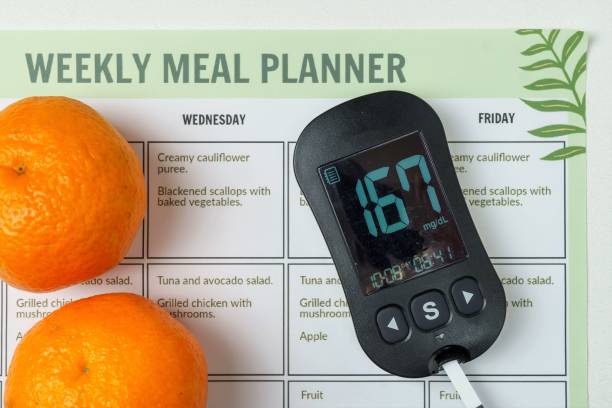
Calculate Your Metabolic Baseline
Before starting any 7 day meal plan for insulin resistance, determine:
- Your fasting blood glucose
- Fasting insulin (if possible)
- A1C level
- Waist circumference
- Current weight
- Activity level
If labs are unavailable, use symptom markers:
- Frequent sugar cravings
- Abdominal fat gain
- Energy crashes after meals
- Skin tags or acanthosis nigricans
American Diabetes Association standards of care
https://diabetes.org
Knowing your baseline allows you to measure progress after repeating your 7 day meal plan for insulin resistance for 4–8 weeks.
Structure Your Plate Correctly
Each meal inside your 7 day meal plan for insulin resistance should follow this formula:
- 40% non-starchy vegetables
- 30% lean protein
- 20% low-glycemic carbohydrates
- 10% healthy fats
Example Lunch:
- Grilled salmon
- Steamed broccoli + spinach
- ½ cup quinoa
- Olive oil drizzle
This distribution minimizes blood sugar spikes and improves insulin sensitivity naturally.
https://blog.hrconcept.com.ng/category/diet-plan/
Design the Actual 7 Days
Below is a simplified example structure you can rotate weekly.
Day 1
Breakfast: Greek yogurt + chia seeds + berries
Lunch: Grilled chicken salad + olive oil
Dinner: Baked salmon + roasted vegetables
Snack: Almonds
Day 2
Breakfast: Vegetable omelet + avocado
Lunch: Lentil bowl + leafy greens
Dinner: Turkey stir-fry + cauliflower rice
Snack: Apple + peanut butter
Day 3–7
Repeat protein rotation:
- Eggs
- Fish
- Chicken
- Turkey
- Legumes
- Tofu (plant-based option)
A successful 7 day meal plan for insulin resistance prioritizes protein diversity and fiber intake daily (25–35g).
Control Carbohydrate Timing
One mistake competitors make is eliminating carbs completely. A smarter 7 day meal plan for insulin resistance distributes carbohydrates earlier in the day when insulin sensitivity is naturally higher.

Best practice:
- Moderate carbs at breakfast and lunch
- Lower carbs at dinner
- Avoid late-night high-glycemic snacks
Timeline expectation:
- Blood sugar stabilization within 3–7 days
- Appetite control by week 2
- Visible waist reduction by week 4–6
Budget & Cost Considerations (Global Context 2025–2026)
A common myth is that a 7 day meal plan for insulin resistance is expensive.
Average weekly grocery estimate (global middle-income range):
- Lean proteins: $20–40
- Vegetables: $15–25
- Whole grains & legumes: $10–20
- Healthy fats & nuts: $10–15
Estimated weekly total: $55–100 depending on country and food sourcing.
Cost-saving tips:
- Buy frozen vegetables
- Choose local seasonal produce
- Use lentils and beans as protein rotation
- Bulk purchase oats and brown rice
Compared to long-term diabetes medication costs, this is significantly more affordable.
Pair Nutrition with Movement
A 7 day meal plan for insulin resistance works best when combined with:
- 30 minutes brisk walking daily
- 2–3 strength sessions weekly
- Post-meal 10-minute walks
According to the Centers for Disease Control and Prevention (CDC): https://www.cdc.gov/diabetes
Muscle contraction independently improves glucose uptake.
Track Progress Weekly
Measure:
- Waist circumference
- Fasting glucose
- Energy levels
- Cravings intensity
Repeat your 7 day meal plan for insulin resistance for 4 consecutive weeks before making major changes.
Need help? Read our detailed guide: https://blog.hrconcept.com.ng/nutrition-science-proven-insights-boost/
Requirements, Documents & Eligibility
Unlike immigration-style guides, diet implementation still has practical “requirements.” Many competitor articles ignore this entirely.
Here is what you realistically need before starting a 7 day meal plan for insulin resistance.
Eligibility Criteria
You are eligible to start a 7 day meal plan for insulin resistance if you:
- Are 18 years or older
- Have prediabetes, PCOS, metabolic syndrome, or suspected insulin resistance
- Have no severe kidney disease (consult doctor if unsure)
- Are not pregnant (requires medical supervision)
High-risk individuals must consult a physician before beginning.
World Health Organization diabetes guidance https://www.who.int/health-topics/diabetes
Required Health Documents (Recommended)
Before beginning your 7 day meal plan for insulin resistance, collect:
- Fasting blood glucose report
- A1C lab result
- Lipid profile
- Fasting insulin (optional but ideal)
- Current medication list
This helps measure reversal progress over 8–12 weeks.
Competitor weakness:
Most meal plan articles provide no lab guidance or tracking framework.
Financial Requirements
Monthly food allocation estimate:
- $220–400 globally depending on region
Optional:
- Glucose monitor ($20–60)
- Food scale ($10–30)
A 7 day meal plan for insulin resistance does not require expensive supplements or subscription programs.
Red flag: Any plan demanding costly detox packages.
Time Commitment
Meal prep time:
- 2–3 hours weekly batch cooking
- 20–30 minutes daily assembly
Sustainable insulin improvement requires:
- Minimum 8–12 weeks consistency
- Weekly repetition of your 7 day meal plan for insulin resistance
Processing & Adjustment Timeline
Week 1: Adaptation
Week 2–4: Metabolic stabilization
Week 6–8: Insulin sensitivity improvement
Week 12: Potential clinical reversal indicators
Adjust only after completing 4 full cycles of your 7 day meal plan for insulin resistance.
Processing & Adjustment Timeline
Week 1: Adaptation
Week 2–4: Metabolic stabilization
Week 6–8: Insulin sensitivity improvement
Week 12: Potential clinical reversal indicators
Adjust only after completing 4 full cycles of your 7 day meal plan for insulin resistance.
Insider Tips & Practical Reality of Following a 7 Day Meal Plan for Insulin Resistance
Many articles stop at “eat healthy and exercise.” But the practical reality of following a 7 day meal plan for insulin resistance is more complex. Metabolic repair is not just about food quality it’s about consistency, lifestyle alignment, and understanding the hidden challenges most people encounter.
Here are insider insights most guides fail to mention.
1. The First 14 Days Are the Hardest
When starting a 7 day meal plan for insulin resistance, the first two weeks often feel uncomfortable. Your body is transitioning from frequent glucose spikes to metabolic stability.
You may experience:
- Mild fatigue
- Irritability
- Strong carb cravings
- Temporary water weight changes
This phase is not failure. It is hormonal recalibration. Insulin levels are adjusting, and your cells are becoming more responsive.
Insider tip:
Increase protein slightly during week 1 if cravings are intense. This reduces hunger hormones and makes the 7 day meal plan for insulin resistance easier to sustain.
2. Eating Out Is the Biggest Threat
Globally, restaurant meals are high in:
- Refined oils
- Hidden sugars
- Processed starches
Even “healthy” options may spike blood sugar.
Practical strategy:
- Choose grilled protein + vegetables
- Ask for sauce on the side
- Replace fries with salad
- Avoid sugary beverages
If you eat out 3–4 times weekly, your 7 day meal plan for insulin resistance results will slow significantly.
3. Sleep Directly Impacts Insulin Sensitivity
Research shows that sleeping less than 6 hours per night increases insulin resistance.
Even a perfect 7 day meal plan for insulin resistance cannot override chronic sleep deprivation.
Aim for:
- 7–9 hours nightly
- Consistent sleep schedule
- No heavy carb meals before bed
Poor sleep increases cortisol, which increases blood sugar.

4. Stress Can Stall Results
Chronic stress elevates cortisol, raising glucose levels even if your diet is perfect.
Signs stress is interfering with your 7 day meal plan for insulin resistance progress:
- Fasting glucose not improving
- Cravings returning
- Plateau after week 4
Solutions:
- Daily 10-minute breathing practice
- Walking outdoors
- Strength training
- Limiting caffeine if sensitive
Metabolic health is hormonal health.
5. Weight Loss Is Not Always Immediate
One hidden truth: You may improve insulin sensitivity before visible weight loss occurs.
A properly structured 7 day meal plan for insulin resistance first reduces inflammation and stabilizes hormones. Fat loss may begin in weeks 4–6, not week 1.
Track:
- Waist measurement
- Energy
- Lab results
Do not rely solely on the scale.
6. Global Cost of Living Considerations (2025–2026)
In high-income countries, whole foods may cost more upfront. In lower-income regions, fresh produce may vary seasonally.
Smart substitutions:
- Lentils instead of salmon
- Sardines instead of expensive fish
- Local leafy greens instead of imported vegetables
A 7 day meal plan for insulin resistance is adaptable — it does not require imported “superfoods.”
7. Long-Term Approval Trend (Clinical Reality)
Clinically, individuals who repeat a 7 day meal plan for insulin resistance weekly for 12–16 weeks see:
- Lower A1C
- Reduced triglycerides
- Decreased waist circumference
- Improved insulin markers
However, relapse occurs when ultra-processed foods return frequently.
The long-term success rate depends on lifestyle integration — not temporary dieting.
Common Mistakes & Red Flags When Following a 7 Day Meal Plan for Insulin Resistance
Many people fail not because the strategy is wrong — but because of execution errors.
Here are the most dangerous mistakes.
Mistake 1: Eliminating All Carbohydrates
A balanced 7 day meal plan for insulin resistance controls carbs — it does not eliminate them.
Going extremely low-carb without medical supervision may cause:
- Nutrient deficiencies
- Hormonal imbalance
- Sustainability issues
The goal is glycemic control, not carb fear.
Mistake 2: Relying on “Diabetic” Processed Foods
Supermarkets market:
- “Sugar-free” snacks
- Artificial sweetener desserts
- Packaged low-carb bars
Many contain inflammatory oils and hidden additives.
A clean 7 day meal plan for insulin resistance prioritizes whole foods over packaged substitutes.
Mistake 3: Expecting Reversal in 7 Days
The name 7 day meal plan for insulin resistance refers to structure — not cure duration.
Metabolic repair takes 8–12 weeks minimum.
Any program promising “instant reversal” is a red flag.

Mistake 4: Ignoring Protein Intake
Low protein slows insulin improvement.
Each meal inside a 7 day meal plan for insulin resistance should include 20–30g protein minimum for most adults.
Mistake 5: Overdoing Fruit Smoothies
Even healthy smoothies can spike blood sugar if unbalanced.
Add:
- Protein powder
- Chia seeds
- Nut butter
Avoid:
- Fruit-only blends
A balanced smoothie can fit into a 7 day meal plan for insulin resistance, but portion matters.
Scam & Program Red Flags
Avoid plans that:
- Sell expensive detox kits
- Require proprietary supplements
- Claim “doctor secret cure”
- Avoid scientific explanation
- Provide no lab tracking guidance
A legitimate 7 day meal plan for insulin resistance is transparent, research-based, and adaptable.
FAQs
1. Can a 7 day meal plan for insulin resistance really reverse the condition?
A structured 7 day meal plan for insulin resistance can significantly improve insulin sensitivity when repeated consistently for 8–12 weeks, especially when combined with exercise and proper sleep.
2. How many times should I repeat a 7 day meal plan for insulin resistance?
You should repeat your 7 day meal plan for insulin resistance for at least 4–8 consecutive weeks before evaluating lab improvements.
3. Is a 7 day meal plan for insulin resistance safe for everyone?
A 7 day meal plan for insulin resistance is generally safe for adults but individuals with kidney disease, pregnancy, or advanced diabetes should consult a physician first.
4. Can I lose weight using a 7 day meal plan for insulin resistance?
Yes, a 7 day meal plan for insulin resistance often leads to gradual fat loss as insulin stabilizes, especially around the abdominal area.
5. Do I need supplements with a 7 day meal plan for insulin resistance?
Most people do not require supplements when following a balanced 7 day meal plan for insulin resistance, unless prescribed for deficiencies.
Insulin resistance is not a life sentence. It is a metabolic warning sign — and one that can often be improved naturally.
A properly structured 7 day meal plan for insulin resistance provides:
- Blood sugar stability
- Hormonal balance
- Reduced inflammation
- Sustainable fat loss
- Long-term metabolic resilience
However, the key is repetition. One week creates awareness. Eight to twelve weeks create change.
When applied consistently, a 7 day meal plan for insulin resistance can shift your body from glucose overload toward metabolic flexibility.
The difference between temporary dieting and true reversal is structure, patience, and evidence-based implementation.
If you are ready to regain control of your metabolic health, start today. Repeat your 7 day meal plan for insulin resistance weekly. Track your labs. Adjust intelligently. Stay consistent.
For more guides, visit https://blog.hrconcept.com.ng/
