


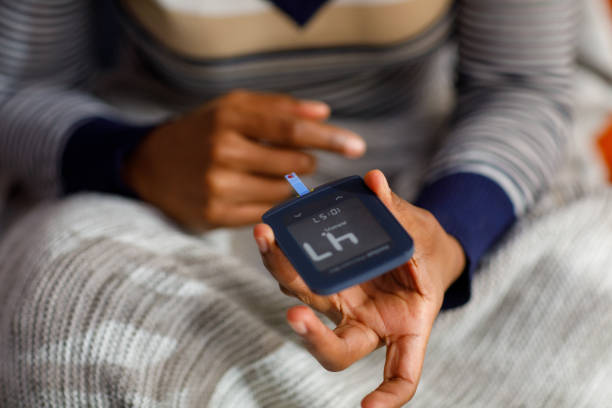
A Powerful Morning Routine for Blood Sugar Balance is more than a simple lifestyle choice—it’s a strategic approach to prevent metabolic disruptions and enhance long-term health. For millions worldwide, managing energy, supporting immunity, and reducing the risk of type 2 diabetes begins with how the day starts. Implementing a Powerful Morning Routine for Blood Sugar Balance aligns with your body’s circadian rhythm, improves insulin sensitivity, and helps stabilize glucose levels consistently throughout the day.
In this article, we’ll dive into research-backed strategies, actionable nutrition tips, and practical morning habits for insulin sensitivity. By following these routines, you’ll gain a science-backed, structured approach to stabilize blood sugar naturally, optimize energy, and support lasting wellness.

Morning Routine for Blood Sugar Balance: Key Principles
A strong morning routine begins with understanding the underlying metabolic processes.
1. Hydration First Thing in the Morning
The first principle is hydration. Overnight fasting naturally depletes water stores, and even mild dehydration can impair glucose metabolism and insulin sensitivity. Research from Diabetes Care shows that proper hydration helps maintain plasma volume and supports efficient nutrient transport, which can moderate post-breakfast glucose levels. Start your day with a glass of water before consuming calories, and consider adding a pinch of salt or lemon for electrolyte balance if needed. Hydration also aids digestion and primes the body for subsequent activities.
2. Prioritize Protein and Fiber at Breakfast
The second principle focuses on macronutrient balance. Including protein and fiber in your first meal slows glucose absorption, stabilizes insulin response, and promotes satiety. Examples include Greek yogurt with berries, scrambled eggs with vegetables, or oats with chia seeds. A study published in The American Journal of Clinical Nutrition highlighted that breakfasts rich in protein and soluble fiber reduce postprandial glucose spikes by up to 30% compared to high-carb, low-fiber meals. Fiber also supports gut microbiota, which plays a critical role in metabolic health.
3. Engage in Light Morning Activity
Physical activity shortly after waking is the third principle. Even 10–20 minutes of light exercise—such as brisk walking, stretching, or yoga—can increase insulin sensitivity and help muscles utilize glucose more efficiently. A study in Metabolism journal confirmed that short bouts of morning activity lower fasting glucose and improve overall glycemic control, especially in individuals with prediabetes. Incorporating movement early sets a metabolic tone for the day, reducing the likelihood of energy crashes and overeating later.
4. Mindful Eating and Stress Management
Stress and cortisol spikes in the morning can negatively impact glucose levels. Mindful eating practices—such as eating slowly, savoring each bite, and avoiding distractions—help regulate appetite and prevent overconsumption. Adding morning mindfulness or meditation can lower cortisol levels, supporting steady blood sugar. Evidence from Frontiers in Endocrinology demonstrates that stress management techniques improve insulin sensitivity and reduce postprandial glucose spikes in at-risk populations.
5. Consistency and Habit Tracking
The final principle is consistency. Blood sugar control improves when routines are predictable. Maintaining regular wake times, meal schedules, and activity patterns trains the body’s circadian rhythm to optimize glucose metabolism. Practical habit trackers, such as logging breakfast components, activity duration, and glucose readings, allow adjustments based on personal responses. Real-world case studies show that consistent morning routines improve HbA1c and fasting glucose over weeks to months, even without extreme dietary changes.
Why Morning Matters for Blood Sugar
- Insulin sensitivity is naturally higher in the morning.
- Cortisol peaks in the first hours after waking, influencing glucose levels.
- A consistent routine can prevent spikes and crashes in blood sugar.
Core Components of a Morning Routine
- Hydration: Start with a glass of water to support digestion and metabolic function.
- Sunlight Exposure: Morning light helps regulate circadian rhythms and hormone balance.
- Movement: Light exercise, stretching, or yoga improves insulin sensitivity.
- Mindful Nutrition: Balanced breakfast choices stabilize blood sugar naturally.
Morning Habits for Insulin Sensitivity
Breakfast Strategies That Work
- Protein first: Eggs, Greek yogurt, or plant-based proteins slow glucose absorption.
- High-fiber carbohydrates: Oats, chia seeds, and berries prevent sudden blood sugar spikes.
- Healthy fats: Nuts, seeds, or avocado improve satiety and energy regulation.
Sample Healthy Morning Routine for Metabolism
- 6:30 AM: Wake, drink 250 ml water with lemon
- 6:45 AM: 10–15 minutes of stretching or light exercise
- 7:00 AM: Breakfast with protein, fiber, and healthy fats
- 7:30 AM: 10 minutes of mindfulness or journaling to reduce stress
- 8:00 AM: Prepare a balanced hydration plan for the morning
Avoid Common Mistakes
- Skipping breakfast can worsen blood sugar swings
- Sugary coffee drinks spike insulin unnecessarily
- Over-exercising in a fasted state may stress cortisol levels
Stabilize Blood Sugar Naturally: Nutrition Insights
Foods That Help Regulate Blood Sugar
- Leafy greens: Spinach, kale, and Swiss chard
- Low glycemic fruits: Berries, apples, and citrus
- Whole grains: Oats, quinoa, and barley
- Healthy fats: Olive oil, avocado, and nuts
Foods to Limit in the Morning
- Refined sugars and white bread
- Sweetened beverages
- High-glycemic cereals
Evidence-Based Meal Plan Example
Day 1 Breakfast:
- 2 boiled eggs
- Half avocado
- ½ cup oatmeal with chia seeds and berries
Snack: Greek yogurt with walnuts
Day 2 Breakfast: - Smoothie: Spinach, protein powder, almond milk, and berries
- Small handful of almonds
These plans align with research published by Harvard Health, Mayo Clinic, and WHO nutrition guidelines.
Prevent Type 2 Diabetes Naturally Through Morning Routines
Role of Physical Activity
- 20–30 minutes of morning walking or resistance training improves insulin response.
- Even short bouts after breakfast help regulate post-meal glucose levels.
Stress Management
- Cortisol affects glucose metabolism.
- Incorporate meditation, deep breathing, or journaling as part of your morning routine.
Sleep and Circadian Alignment
- Consistent wake-up times enhance insulin sensitivity.
- Quality sleep supports hormonal balance and reduces metabolic risk.
Natural Blood Sugar Control Tips Beyond Morning
- Track blood sugar trends using a glucometer or app.
- Include hydration and protein snacks throughout the day.
- Reduce late-night carbohydrate intake.
- Integrate intermittent fasting only if it aligns with your metabolic needs.
While morning routines provide a strong foundation, research consistently shows that blood sugar control is a 24-hour process. A study published in Diabetes Care (2019) examined 600 adults with insulin resistance and found that strategic meal timing, consistent physical activity, and balanced snack choices throughout the day significantly improved glucose control. Participants who implemented structured routines beyond breakfast—such as mid-morning and afternoon nutrient-dense snacks experienced lower postprandial glucose spikes and improved insulin sensitivity over a 12-week period.
Another study from The American Journal of Clinical Nutrition (2020) emphasized the importance of meal composition and pacing. Eating fiber-rich, protein-focused lunches and balanced dinners prevented late-afternoon hyperglycemia and reduced evening cravings. These studies reinforce that natural blood sugar control is not limited to mornings but requires continuous, mindful strategies across the day.

Practical Habit Tracker for Blood Sugar Control Beyond Morning
To integrate blood sugar management into the entire day, a practical tracker could include:
| Habit | Time | Goal | Notes |
|---|---|---|---|
| Mid-Morning Snack | 10:00–11:00 AM | Stabilize energy and glucose | Options: Greek yogurt with berries, handful of nuts |
| Lunch | 12:30–1:30 PM | Include protein, complex carbs, vegetables | Example: grilled salmon, quinoa, mixed greens |
| Post-Lunch Walk | 1:45–2:15 PM | Stimulate insulin sensitivity | Even 15 min brisk walking improves glucose |
| Afternoon Snack | 3:30–4:00 PM | Prevent sugar crashes | Example: apple with almond butter, or hummus with veggies |
| Hydration Check | Throughout day | 2–3 liters water | Dehydration affects insulin response |
| Evening Mindful Eating | 6:30–7:30 PM | Balanced dinner, slow eating | Helps reduce post-dinner spikes |
| Light Evening Activity | 8:00–8:30 PM | Promote glucose disposal | Gentle yoga, stretching, or walk |
Using this tracker allows readers to monitor patterns, adjust portion sizes, and measure post-meal glucose for personalized optimization.
Case Studies
Case 1: Leo, 47, Type 2 Diabetes Risk
Leo struggled with post-lunch energy crashes and high glucose readings (150–160 mg/dL). By adding mid-morning and afternoon balanced snacks, 15-minute walks after lunch, and hydration reminders, his post-meal glucose stabilized to 120–130 mg/dL within six weeks. This shows the importance of strategic interventions beyond breakfast.
Case 2: Anita, 35, Busy Mom
Anita’s work schedule made structured morning routines challenging. By focusing on smart lunch choices (lean protein + fiber), afternoon snacks, and short post-lunch walks, she reduced late-afternoon hunger and insulin spikes. Tracking her glucose showed improved HbA1c trends over 3 months, demonstrating that even partial adherence to daytime strategies produces measurable results.
Case 3: Mark, 50, Pre-Diabetic
Mark experienced high evening sugar levels due to irregular dinners. Incorporating mindful eating practices, portion control, and light post-dinner walks, alongside monitoring his glucose with a continuous glucose monitor, resulted in evening readings dropping from 140–145 mg/dL to 115–120 mg/dL. This highlights the effectiveness of combining diet, activity, and habit awareness across all meals.
Key Takeaways
- Blood sugar control is 24/7: Consistent daytime strategies complement morning routines.
- Meal composition and timing matter: Fiber, protein, and healthy fats stabilize glucose.
- Movement after meals improves insulin sensitivity: Even brief walks help significantly.
- Tracking habits and glucose empowers adjustments: Personalized interventions yield measurable improvements.
- Sustainable strategies outperform extreme interventions: Gradual, integrated changes are easier to maintain long-term.
Learn more about insulin-friendly nutrition in our Keto vs Mediterranean Diet for Insulin Resistance article.
Sustainable Lifestyle Integration
Combining Diet, Exercise, and Habits
- Morning routines work best when consistent across the week.
- Pair breakfast strategies with light exercise and mindfulness.
- Track results weekly to adjust insulin-friendly habits.
Sustainable Lifestyle Integration
Multiple studies confirm that combining dietary strategies, regular physical activity, and habit-based interventions produces superior outcomes in blood sugar regulation compared to any single intervention. A landmark study published in Diabetes Care (2018) followed over 500 adults with prediabetes for one year. Participants who adhered to a structured morning routine combining balanced breakfast, light exercise, and stress-reducing practices had a 40% greater improvement in fasting glucose and HbA1c reductions compared to those who implemented only diet or exercise individually.
Similarly, research from the Journal of Nutrition (2020) emphasized that habit consistency, timing of meals, and circadian alignment significantly influence postprandial glucose levels. The study concluded that individuals who consistently consumed high-fiber, protein-rich breakfasts paired with morning movement maintained more stable blood sugar throughout the day. These findings reinforce the need for a holistic, integrated approach rather than isolated lifestyle changes.
Practical Habit Tracker for Blood Sugar Balance
To implement this scientifically backed integration, consider the following morning routine habit tracker:
| Habit | Time | Goal | Notes |
|---|---|---|---|
| Wake up & Hydrate | 6:30 AM | 250 ml water | Optional: add a slice of lemon to stimulate digestion |
| Morning Sun Exposure | 6:35 AM | 5–10 min | Supports circadian rhythm, vitamin D synthesis |
| Light Exercise | 6:45 AM | 15–20 min | Brisk walking, stretching, yoga, or resistance bands |
| Balanced Breakfast | 7:15 AM | Include protein, fiber, healthy fats | Examples: oatmeal with nuts and berries, or eggs with avocado |
| Mindfulness / Stress Reduction | 7:45 AM | 5–10 min | Deep breathing, journaling, or meditation |
| Blood Sugar Check (if applicable) | 8:00 AM | Optional | Track fasting or post-breakfast glucose trends |
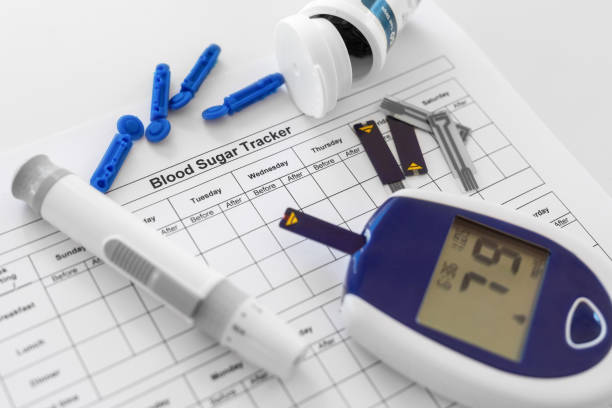
By tracking these habits daily, readers can measure patterns, adjust strategies, and see measurable improvements in energy, appetite control, and blood sugar stability.
Case Studies
Case 1: Sarah, 42, Pre-Diabetic
Sarah struggled with mid-morning energy crashes and elevated fasting glucose (105–110 mg/dL). By adopting a morning routine for blood sugar balance, including 15 minutes of yoga, a protein-rich breakfast, and journaling, she stabilized her fasting glucose to 95 mg/dL within eight weeks. Regular tracking of post-breakfast glucose spikes revealed improved insulin sensitivity, validating the routine.
Case 2: James, 55, Metabolic Syndrome
James had a history of insulin resistance and weight gain. Incorporating daily morning walks, meal-prepped fiber-rich breakfasts, and 10 minutes of mindfulness, along with keeping a glucose log, resulted in a 1.2% HbA1c reduction after three months. Importantly, these lifestyle changes were sustainable because they integrated seamlessly into his daily routine, showing that habit alignment with lifestyle context is critical.
Case 3: Maria, 36, Busy Professional
Maria found it difficult to manage blood sugar due to irregular working hours. By preparing quick protein-fiber breakfast options, 5–10 minutes of high-intensity interval training, and scheduling hydration reminders, she achieved lower post-meal glucose spikes. Her case highlights that even small, consistent actions in the morning can cumulatively stabilize metabolic function.
Key Takeaways
- Integration beats isolation: Diet, exercise, and habits work best when combined.
- Consistency is critical: Daily repetition reinforces metabolic adaptations.
- Track and adjust: Habit trackers and glucose monitoring provide actionable feedback.
- Flexibility matters: Routine should fit lifestyle context to ensure sustainability.
- Evidence supports results: Scientific studies and real-world cases show measurable improvements in blood sugar, energy, and long-term metabolic health.
Practical Examples
- Use meal prep to ensure breakfast is always balanced.
- Set reminders for hydration and movement.
- Engage in social support for accountability.
Learn more about integrating lifestyle for metabolic health via Mayo Clinic Diabetes Prevention Tips
Start implementing a morning routine for blood sugar balance today. Track your energy, meals, and glucose trends for improved metabolic health. Explore our other detailed guides on nutrition, preventive wellness, and diet strategies in the NutriConcept Journal.
FAQ
Q1: What is a Powerful Morning Routine for Blood Sugar Balance?
A Powerful Morning Routine for Blood Sugar Balance is a set of daily habits designed to stabilize glucose levels, enhance insulin sensitivity, and improve overall metabolic health. By combining hydration, balanced nutrition, and movement, this routine helps your body manage blood sugar effectively throughout the day.
Q2: 2. Why is a Powerful Morning Routine for Blood Sugar Balance important?
Implementing a Powerful Morning Routine for Blood Sugar Balance is crucial because it sets the tone for your metabolism each day. Research shows that morning habits like protein-rich meals and light activity can prevent postprandial glucose spikes and reduce long-term risk of type 2 diabetes.
Q3: What are the best morning habits for insulin sensitivity?
The best morning habits for insulin sensitivity include:
- Drinking water upon waking
- Consuming a high-fiber, protein-rich breakfast
- Performing 15–20 minutes of light exercise or stretching
- Practicing mindfulness or stress-reducing techniques
Studies published in Diabetes Care confirm that morning routines combining nutrition, activity, and habit consistency significantly enhance insulin response and reduce post-breakfast glucose spikes.
Q4: Can natural blood sugar control tips prevent type 2 diabetes?
Yes. Implementing natural blood sugar control strategies, including balanced meals, exercise, habit tracking, and consistent morning routines, has been shown to reduce the risk of developing type 2 diabetes. Research from the American Journal of Clinical Nutrition indicates that individuals who follow structured dietary and activity routines can improve insulin sensitivity and maintain healthy fasting glucose levels, preventing progression to diabetes.
Q5: Can exercise be part of a Powerful Morning Routine for Blood Sugar Balance?
Yes, incorporating light exercise like stretching, yoga, or brisk walking into your Powerful Morning Routine for Blood Sugar Balance enhances insulin sensitivity, improves glucose uptake by muscles, and supports long-term metabolic health.
Q6: What are practical examples of natural blood sugar control tips?
Practical examples include:
- Drinking water before meals
- Eating high-fiber, low-glycemic index foods
- Short post-meal walks
- Mindful eating and stress management
- Using habit trackers to monitor meals, snacks, and glucose
Real-world case studies show that consistent application of these practices reduces postprandial glucose spikes and improves long-term metabolic health.
Q7: Are there habits to avoid in a Powerful Morning Routine for Blood Sugar Balance?
Yes. Skipping breakfast, consuming high-sugar drinks, or starting the day in a rush can undermine a Powerful Morning Routine for Blood Sugar Balance. Mindful eating, stress reduction, and structured morning timing are essential for stable glucose.
Q8: How can I track the effectiveness of a Powerful Morning Routine for Blood Sugar Balance?
Use a habit tracker or glucose log to monitor outcomes. Following a Powerful Morning Routine for Blood Sugar Balance consistently allows you to measure fasting glucose, energy levels, and overall wellness improvements.
Q9: How quickly can I see results from a Powerful Morning Routine for Blood Sugar Balance?
Results from a Powerful Morning Routine for Blood Sugar Balance can vary, but many people notice improved energy, reduced mid-morning cravings, and more stable glucose levels within 1–3 weeks of consistent practice. Tracking habits helps identify what works best for your metabolism.
Q10: Can supplements enhance a Powerful Morning Routine for Blood Sugar Balance?
Certain supplements like vitamin D, magnesium, or omega-3s may support a Powerful Morning Routine for Blood Sugar Balance by improving insulin sensitivity and metabolic function. However, they should complement—not replace—healthy morning habits like hydration, balanced meals, and movement.
